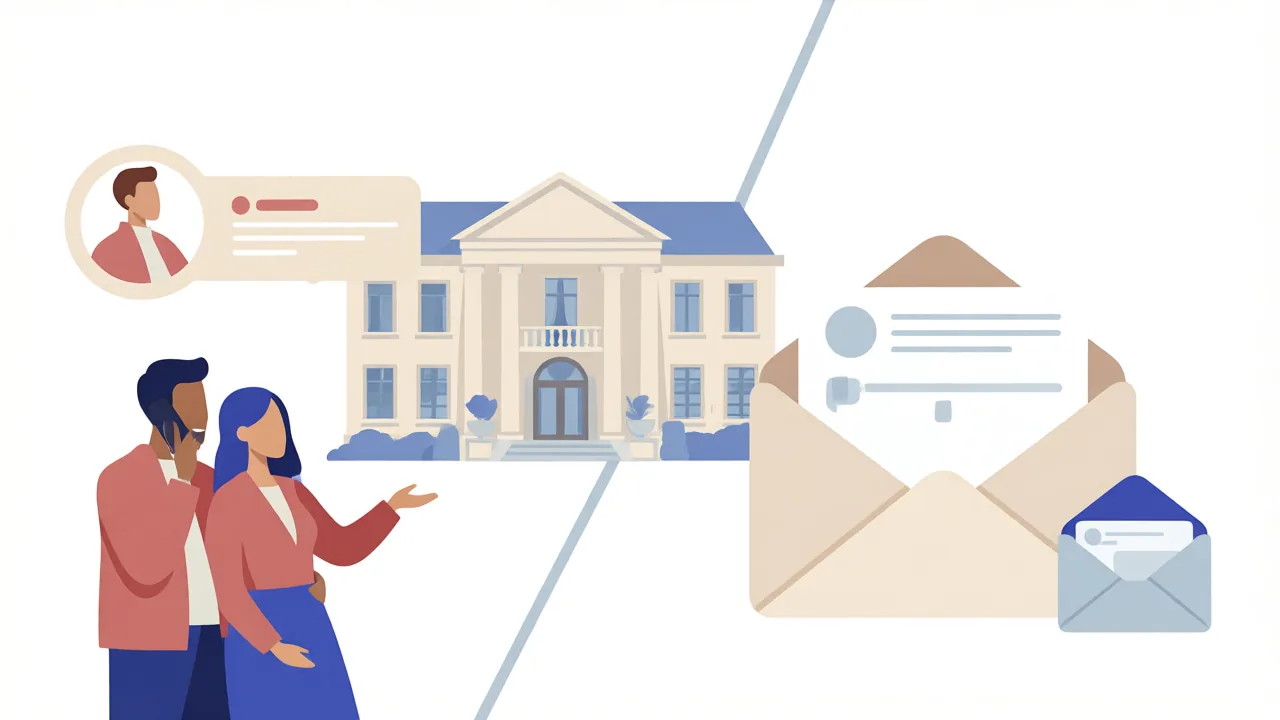
A friend recently emailed five wedding venues to enquire about availability for next summer. Two never responded at all. That is a potential booking worth upwards of twenty grand, gone because nobody checked the enquiry inbox on a Tuesday.
The other three responded within 48 hours. One sent a standard “thanks for your enquiry, we’ll be in touch” auto-reply that was never followed up. One sent a detailed PDF that answered none of the specific questions she’d asked. Only one picked up the phone, asked the right questions, and made her feel like they actually wanted the booking.
That venue got the site visit. The others didn’t. Mystery caller and email testing for wedding venue enquiries exists precisely because most operators have no idea which version of this story their own team is delivering.
The enquiry is the sale
Wedding and events bookings are not like a table reservation. The gap between first contact and signed contract is measured in weeks, sometimes months, and the enquiry handling is where most of the deal is won or lost. By the time a couple walks through the door for a show-round, they’ve already formed a strong opinion of the venue based entirely on how it handled their initial contact.
Average UK wedding costs in 2026 sit between £20,000 and £22,000 according to Bridebook and Hitched, with high-end venue packages pushing well beyond that. The revenue at stake on a single mishandled enquiry is significant. Most venues conduct zero systematic testing of how their team handles these contacts.
What a bad enquiry call actually looks like
The problems are rarely obvious rudeness or incompetence. They’re subtler.
It’s the call answered on the fourth ring, slightly breathless, with no venue name given. The email that arrives three days later with a subject line that reads “Re: Enquiry” and opens with “Hi there.” The team member who answers every question asked but never asks a single question back, never qualifies the enquiry, never attempts to understand what the couple actually wants.
It’s the sales person who knows the price list perfectly but can’t describe why the venue is different. The one who doesn’t know whether catering is in-house or external. The one who says “I’ll check and come back to you” and doesn’t.
What good enquiry handling looks like
The best wedding venue calls share consistent traits. The person who picks up knows the venue and the product, and makes the caller feel like they’re the first enquiry of the week rather than the fortieth. They listen more than they talk in the first two minutes. They ask about the couple, the date, the rough guest count, and the feel they’re after, before diving into logistics. They have a clear next step ready: “Can I book you in for a show-round on Saturday morning?”
On email, speed matters. A personalised response within two hours that references what the enquirer actually asked outperforms a comprehensive PDF sent two days later. Most couples are enquiring at three or four venues simultaneously. The one that feels most responsive and human tends to get the viewing.
How mystery caller programmes work for venues
A mystery caller programme for a wedding venue involves a trained assessor contacting the venue as a genuine prospective couple, going through a realistic enquiry, and evaluating the experience against agreed criteria: speed of response, warmth of tone, product knowledge, qualification of the lead, and whether the team member created a clear next step.
One important technical detail: Service Monitor uses voice morphing technology to alter the caller’s voice in real time, which means the same researcher can call your team multiple times across a programme without ever being recognised. The call audio is preserved and can be used for staff training, giving managers a factual basis for coaching conversations rather than relying on self-reported performance.
Results are compared across waves, and across venues if you operate multiple sites. Patterns emerge quickly. Friday afternoon calls going unanswered. Email responses that are strong on information but weak on follow-up. One team member converting enquiries at twice the rate of another with nobody having mapped out why.
That’s not a mystery shopping programme in the traditional front-of-house sense. It’s a commercial audit of the sales process that generates revenue directly.
Mystery Caller programmes cover both phone and email channels and are built around the specific scenarios your team handles most often, from initial availability enquiries to detailed event pricing calls. If you handle wedding and events enquiries and have never tested the experience from the customer’s side, get in touch and we can talk through what a programme would look like.